+1-800-385-1627
support@recordedwebinars.com
Implementing Agile in an FDA-Regulated Environment
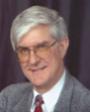
Brian Shoemaker
Access Recorded Version
Unlimited Viewing Recorded Version for 6 months ( Access information will be emailed 24 hours after the completion of live webinar)
Support
Call : +1-800-385-1627
Mailto : support@recordedwebinars.com
Overview:
The Agile approach is well established in other industries adoption of Agile in medical device development has been increasing in the past five years. Experience is showing that both quality and safety are improved when the development team is agile, and that regulatory requirements can still be met. This session will delve into several key areas for applying Agile in the medical device context, including:
- Countering the village rumors
- Understanding the REAL regulatory requirements
- Agile is a mindset, not a canned method
- Fitting together hardware and software development, and being Agile in both
- Applying Impact Mapping and Story Mapping practices to chart the way
- Bringing everyone on board, not just software
- Applying Agile to larger scale organizations / projects
- Metrics - how to use them and what to avoid
Rather than focusing on any methodology class (Scrum, Kanban, Crystal, XP), this webinar aims to build understanding of the fundamentals which underlie all methods, so that teams can determine their own blend based on what works in their context, and address the issues which inevitably come up in Agile adoption.
Why you should Attend:
Medical device development struggles with huge pressures: the need for innovation, keeping cost down, and minimizing time to market. With all its success in other industries, it appears that the Agile approach be a huge should help - but even after years of use and multiple reports, criticism of, and doubts about, Agile methods exist in the medical device field. Would an Agile team address safety and regulatory demands? How will the company plan its work if development is incremental? Will software teams be able to interact with other disciplines where timelines are longer? How would Agile work when teams are larger or working in multiple locations? This webinar will outline key fundamentals of Agile and address issues which inevitably arise in adopting an Agile approach - with the intention of alerting managers to the items they will need to consider in their own Agile adoption program.
Areas Covered in the Session: Overview and Concepts: Myth or Fact? Agile Foundations
- Laying the Groundwork
- Recognize your context
- What Agile solves - and requires
- Selecting a project to pilot
- Change needs to be shepherded
- Conducting your project
- Overview: Scrum process and roles
- Stories and story mapping
- Incremental documentation and risk management
- Effects on the Overall Organization
- Impact Mapping: involves all disciplines
- Agile at scale
- Support needed for Agile to work
Conclusions: bridging the silos summary of regulatory guidances
Who Will Benefit:
- Regulatory Specialists
- Functional Managers - Software, Test, Hardware
- Other Development Specialists (mechanical, engineering, other)
- Project Managers (especially for cross-functional teams)
- Software Developers
- Business Analysts
- Requirements Analysts
- Product Managers
- Portfolio Managers
Speaker Profile
Brian Shoemaker consults for healthcare products companies on computer system validation, software quality assurance, and electronic records and signatures. He has conducted validation both on product software and on internal software, developed software quality systems, audited software quality processes (including agile methodology), and evaluated 21 CFR Part 11 compliance. He has had clients in clinical diagnostics, medical device engineering, medical imaging, medical-device fabrics manufacturing, contract lyophilization, clinical trial software, dental prosthetics, and bone-repair implants. He has worked with companies in Germany and Switzerland as well as the U.S.
Previous to founding ShoeBar Associates, Brian had quality roles at PPD Informatics, Doxis, Inc., and Behring Diagnostics, Inc. Brian earned his Ph.D. in chemistry from the University of Illinois; he has achieved the ASQ Software Quality Engineer certification.